Hey people… Thanks for subscribing and for being a part of this family. I have been off for a while and it’s so good to be back. I am still trying my way around blogging but l am sure it gets better day by day.
To the gist of today, I would be discussing about about COOKWARES… in literal language pots and pans. So how well do you know about cookwares and the type to use for each cooking. Sit down and grab a cup of smoothie (as per healthy living ..lol) while we go on this journey of learning about COOKWARES.
COOKWARES !!!
There are different types of cook wares that are available either as a beginner, a mum\ housewife who wants to cook for her family or as an expert who uses cookwares all the time. You will mostly need efficient and cost effective solutions to your cookware needs.
Let’s dive in !!!
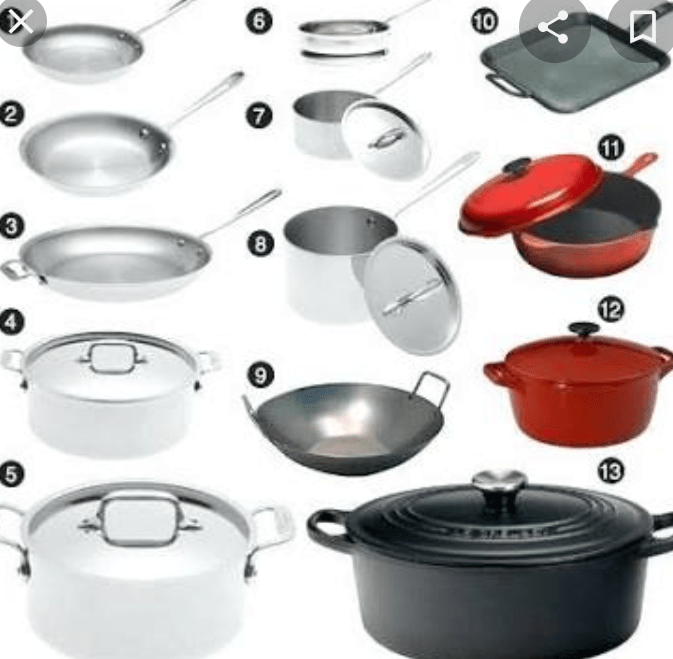
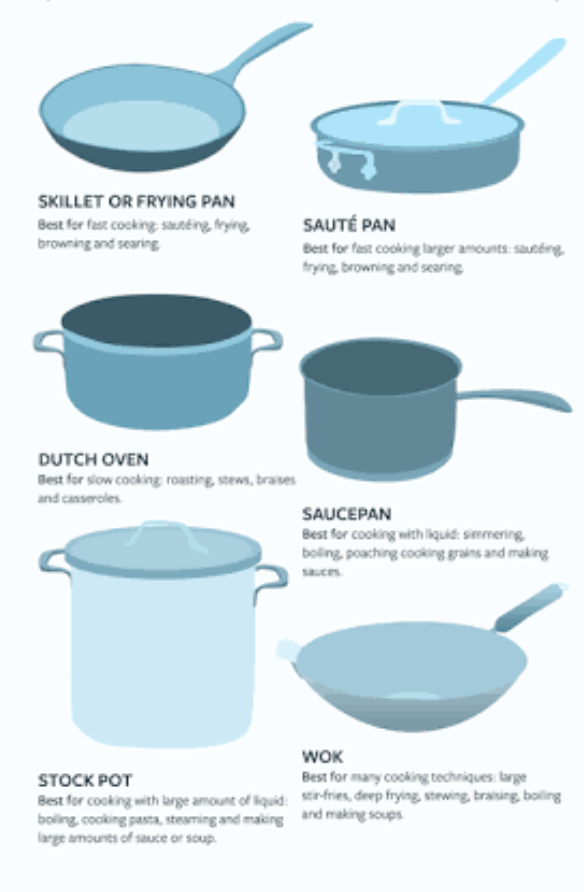
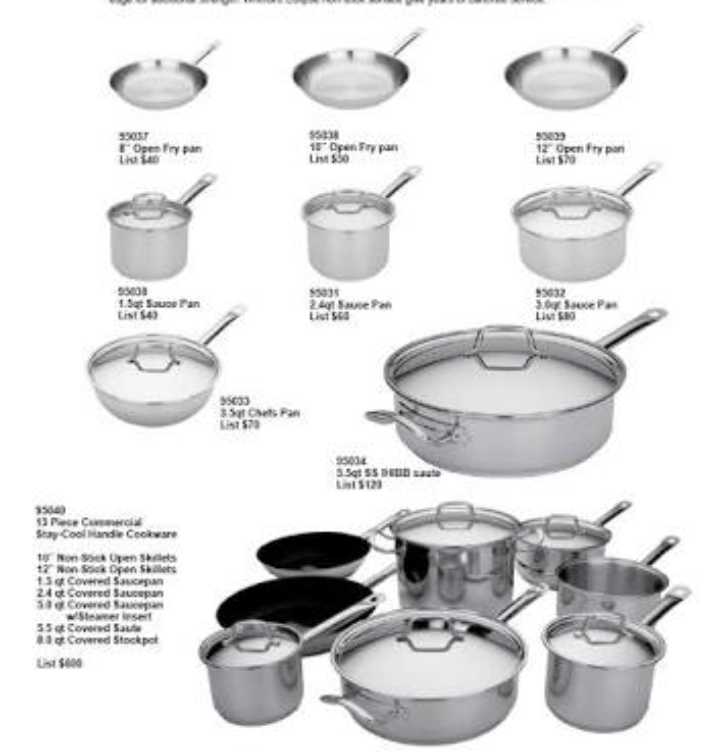
STOCKPOT: The stockpot is a large, deep pot with a flat bottom. it is used to cook liquid foods that do not need to be extremely close to the heat source. Their tall profiles are great for keeping pasta submerged when boiling. This particular pot comes in a variety of sizes and it is better to have multiple sizes handy especially when cooking for a small or large group.
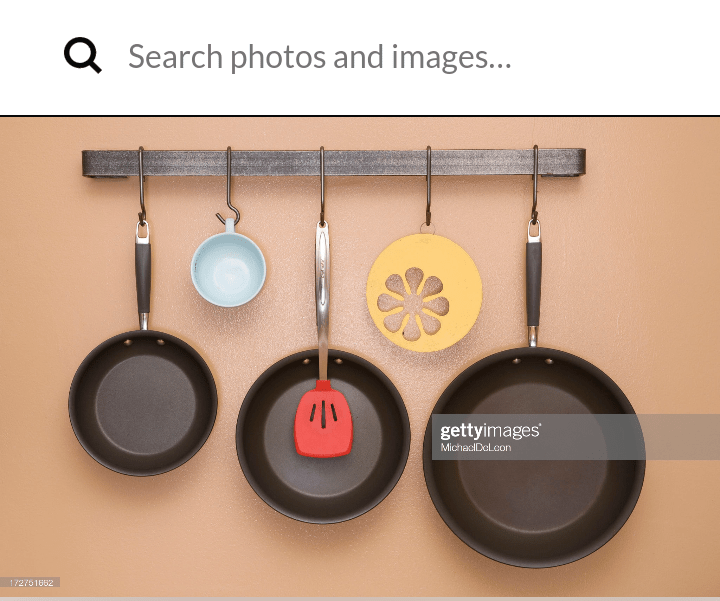
FRY PAN/SKILLET: A fry pan/skillet is an essential in the kitchen. These pans are designed with a flat bottom and rounded sides which makes them perfect for fast cooking with oils over very high heat. Fry pans and skillets come in a variety of sizes.
CAST IRON SKILLET: Cast iron skillet are similar to fry pans, but the main difference is the care and the materials they are made of. This type of skillet are made of cast iron and are pretty heavy. It is advisable to get a pre-seasoned one in order to avoid food sticking to it.
SAUTÉ PAN: This pan is meant for sautéing which translates into being able to fry food while moving it around quickly in the pan, while covered with a lid. sauté pans are similar to fry pans when it comes to design, they have a flat bottom too but the main difference between them is that instead of having rounded sides, a sauté pan has straight sides. The pans can be used for more things besides sautéing e.g: deep frying.
SAUCE PAN: The sauce pan is a very versatile cookware that has a rounded bottom and tall straight sides. It can be used in making all kinds of sauces and soups. These pans can be used with or without a lid to control evaporation.
BRAISER PAN: Braisers are a large, flat bottom pan with a moisture locking lid. This design makes it multi-purpose and a great addition to any collection of cookwares They can be used to brown food on the stovetop and/or to slow cook food in the oven.
GRIDDLE/GRIT PAN: A griddle is a piece of cookware that has a large, flat or ridged surface. With a fairly small amount of oil, it can be used to cook pancakes, browns and eggs. it can be square or round but usually does not have the longer handle of a fry pan.
WOK: Wok is an all purpose Asian pan which has high sloping sides and are made of carbon steel. They have a hot cooking surface on the bottom of the while being cooler up the sides, as such, ingredients can be moved around in the pan. they are perfect for stir frying, steaming and deep frying.
PRESSURE COOKER: Pressure cookers gives the choice of having a quick release option, taking even less time to finish a meal and without wasting water to cool things down. Their lids completely seal the pot, while liquid is boiling inside. Most pressure cookers comes in various sizes. A pressure cooker with detachable pressure regulator can adjust the pressure to low, medium or high. The higher the pressure, the higher the internal temperature and the less cooking time needed.
COOKWARE SETS:
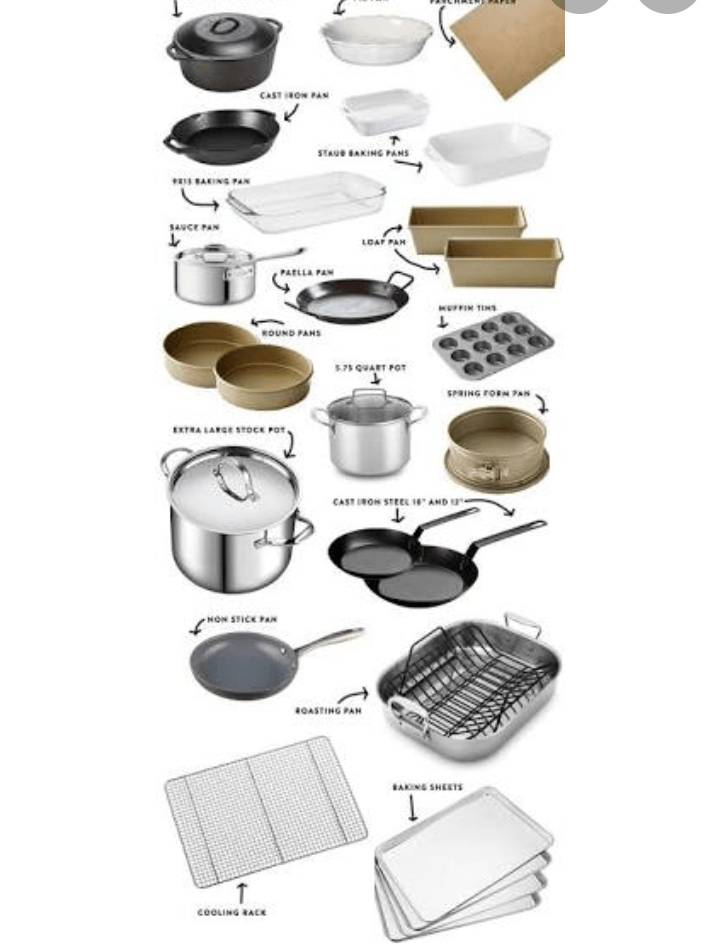
It is mostly preferable to buy cookware in bundle in order to save money and at the same time have matching pieces. Cookware sets range from 10-18 pieces with a different variations in each set, tailored to your needs.
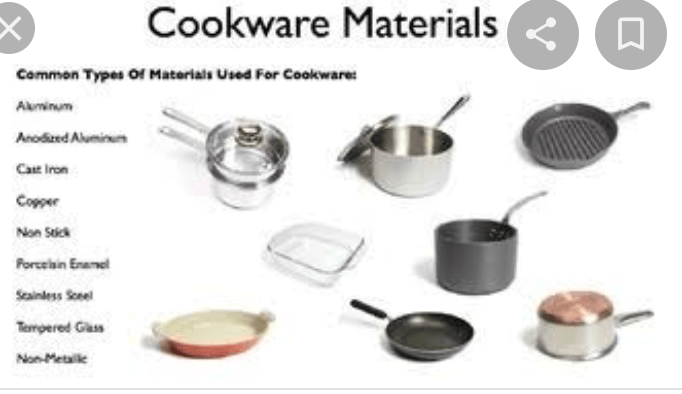
COOKWARE MATERIAL TYPES:
Now that we are more informed about the different kinds of cookware pieces you can choose from, it’s time to decide which material will work best for you. An essential quality to look for in all cookware is the weight. A heavy pot or pan will sit securely on the burner, however , be sure that it is light enough for you to lift easily.
ALUMINIUM: Aluminium is probably the most popular material in cookware. It’s an excellent heat conductor and spreads heat evenly throughout the pan. Aluminium can be anodized to harden the surface. Hard – anodized cookware is harder than steel and extremely durable. It is less expensive and it is highly recommended to get aluminium with non – stick interior because it’s much less likely to discolour or react with foods.
CARBON STEEL: Carbon steel is mostly used in very expensive and least expensive cookware. It is maintained like cast iron but it is much lighter in weight. It works well for cooking that requires quick heat changes because it maintains its temperature well. The most common pan made of this material are woks and stir fry pan.
CAST IRON: Cast iron is very thick and heavy duty. Even though,it takes a little bit longer to heat up , it retains, and distributes heat evenly. If you do more of braising, stewing , slow cooking, and baking,this would be the best choice for you. Cast iron comes in Bare iron or with Enamel coating.
CEREMIC: This type of cookware is a great insulator, so it does not react quickly to heat. It can be found in casserole dish or other shapes that are great for slow cooking at a constant temperature. It comes in three categories which are;
a. Porcelain: It is fired to become very hard and it is considered delicate but quite durable. It can be used on the stove, in the oven and in microwaves. It is typically white because it shows more prominence.
b. Stoneware: It is also fired to become hard similar to porcelain. The major difference in the two is that stoneware uses a different type of clay and comes in other colour asides white and it comes in multiple finishes.
c. Earthenware: It is usually prone to scratching and it is used as a server instead of a cookware.
d. Clad: These uses two (2) types of cookware materials together to get all the benefits of both material. Mostly, stainless steel is clad with aluminium. Aluminium gives you the thickness and excellent heat conductivity and stainless steel prevents it from corrossion. This type of cookware would last you. This type of cookware would last you a life time and it is easy to maintain. It’s is generally heavy and more expensive than others.
COPPER: It’s the best conductor of heat. It’s the best if you are cooking on top of the stove where you have to control the temperature. It can react with food and can be toxic which is why it is usually lined with another material such as the stainless steel and it’s not maintenance friendly as copper .
STAINLESS STEEL: It is a very good all round general purpose cookware. It is light, durable and easy to clean. It is a poor conductor of heat but mostly lined with copper or aluminium in order to distribute heat more evenly. It is easy to clean and dishwasher safe.
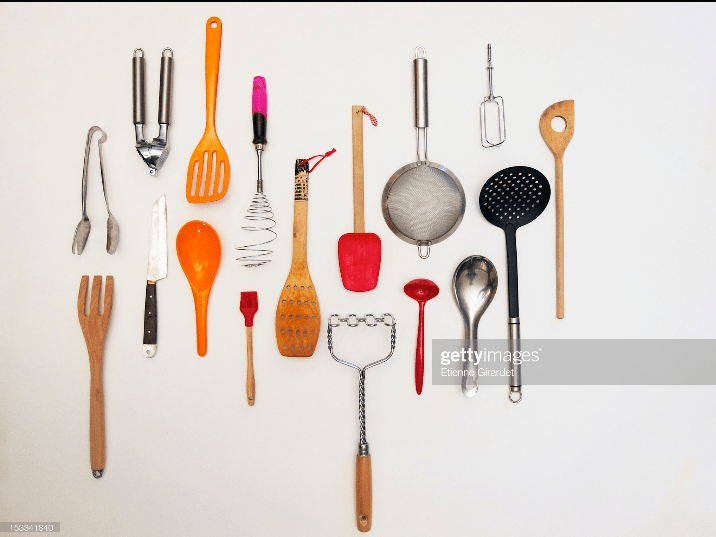
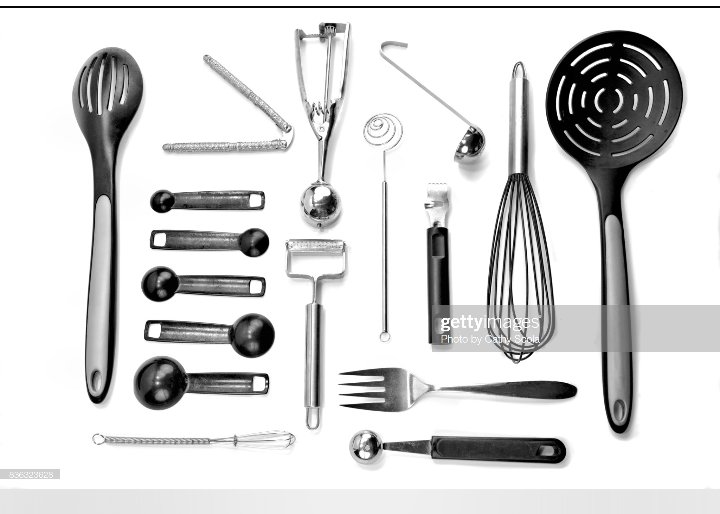
NON STICK: Non stick cookware has a coating inside the pan that makes it difficult for food to stick to it. This makes it easy to cook healthy , non fatty foods. It is very easy to clean and it can be found in combination with many metals that produce cookware.It scratches easily and so it is highly recommended to use nylon silicone utensils with it.
This would help us in knowing which type of cookware to buy and use for our cooking and it is highly recommend to clean your cookwares with hand instead of dishwasher in order to increase its longetivity.
If you want the best cookware, I would suggest you choose the heavier pots and pans because they are of better quality materials and are more secure. Be sure of your ability to lift it with ease off the burner.
In conclusion, there is no one type of material that is better than the other as they are equally beneficial depending on your specific needs.
Have a great time cooking and tell me in the comment section your experience or knowledge you have gain from this post.
HAPPY COOKING!!!!
 Mulberry Kitchen